Do Wellness Trackers Really Work?
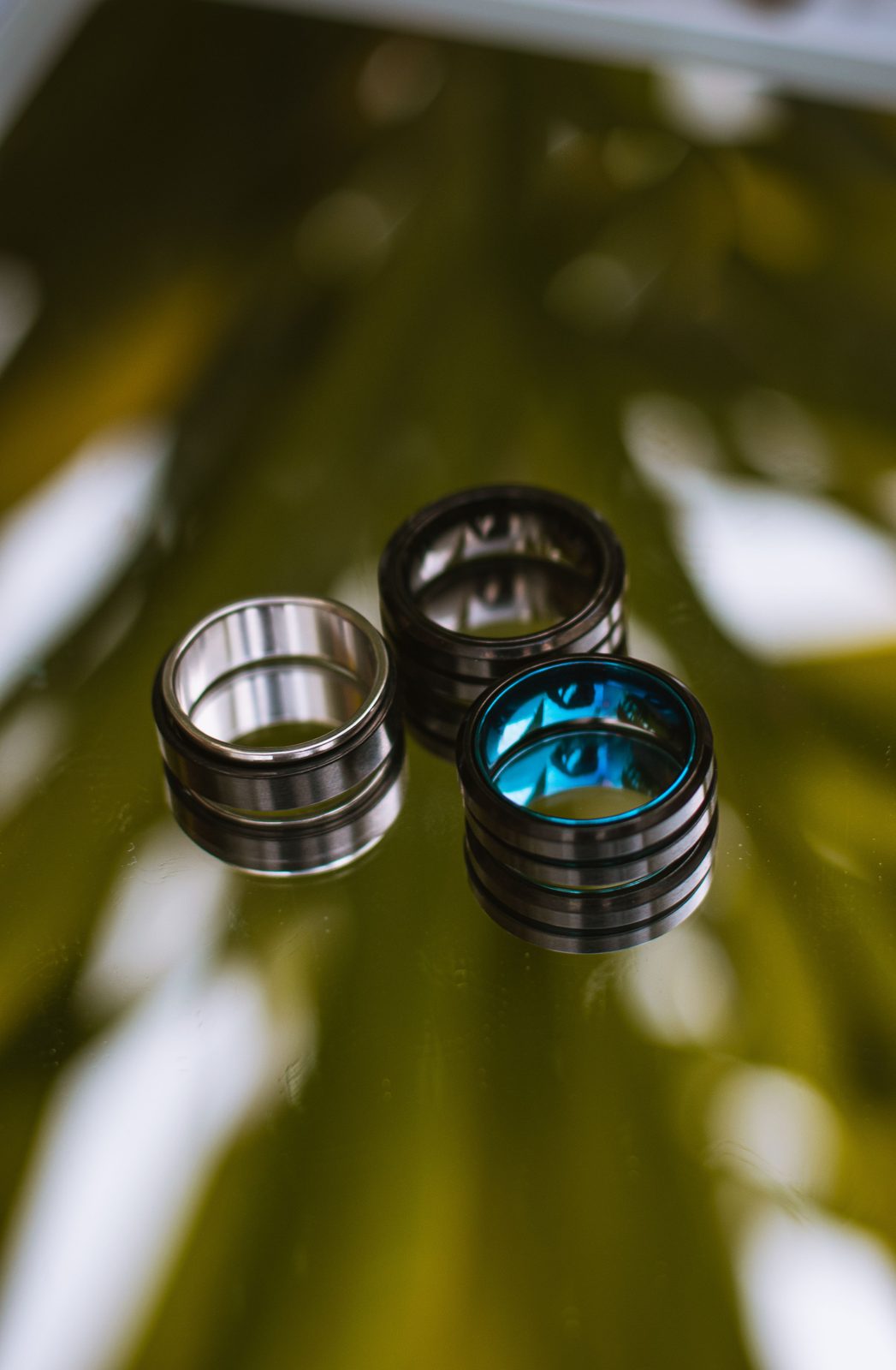
I strapped an Oura Ring to my finger and a Garmin to my wrist and waited for enlightenment. Spoiler: it didn't arrive in a push notification. The devices promised data. Sleep stages. Heart rate variability. Recovery scores. After three months, I had to ask: did I feel any better?
The data tells one story. The body tells another. The truth lives somewhere in between.
What the Data Revealed
- My heart rate spiked after wine.
- My sleep quality dropped when I worked late.
- My recovery was fastest on days when I walked in the morning.
The Sauna Test
Regular sauna use is linked to reduced risk of cardiovascular disease and dementia. I sauna three times a week for twenty minutes at eighty degrees celsius, followed by a cold plunge. My Oura scores improve on sauna days. But more importantly, I feel clearer. Lighter. More myself.
The Verdict
Wellness trackers work if you use them as mirrors, not masters. The moment the score becomes more important than the feeling, you have lost the plot.
- Use technology to serve embodiment, not replace it.
- Trust your body more than your metrics.
- The most important metric is how you feel.