Rescue Stories That Restore Hope
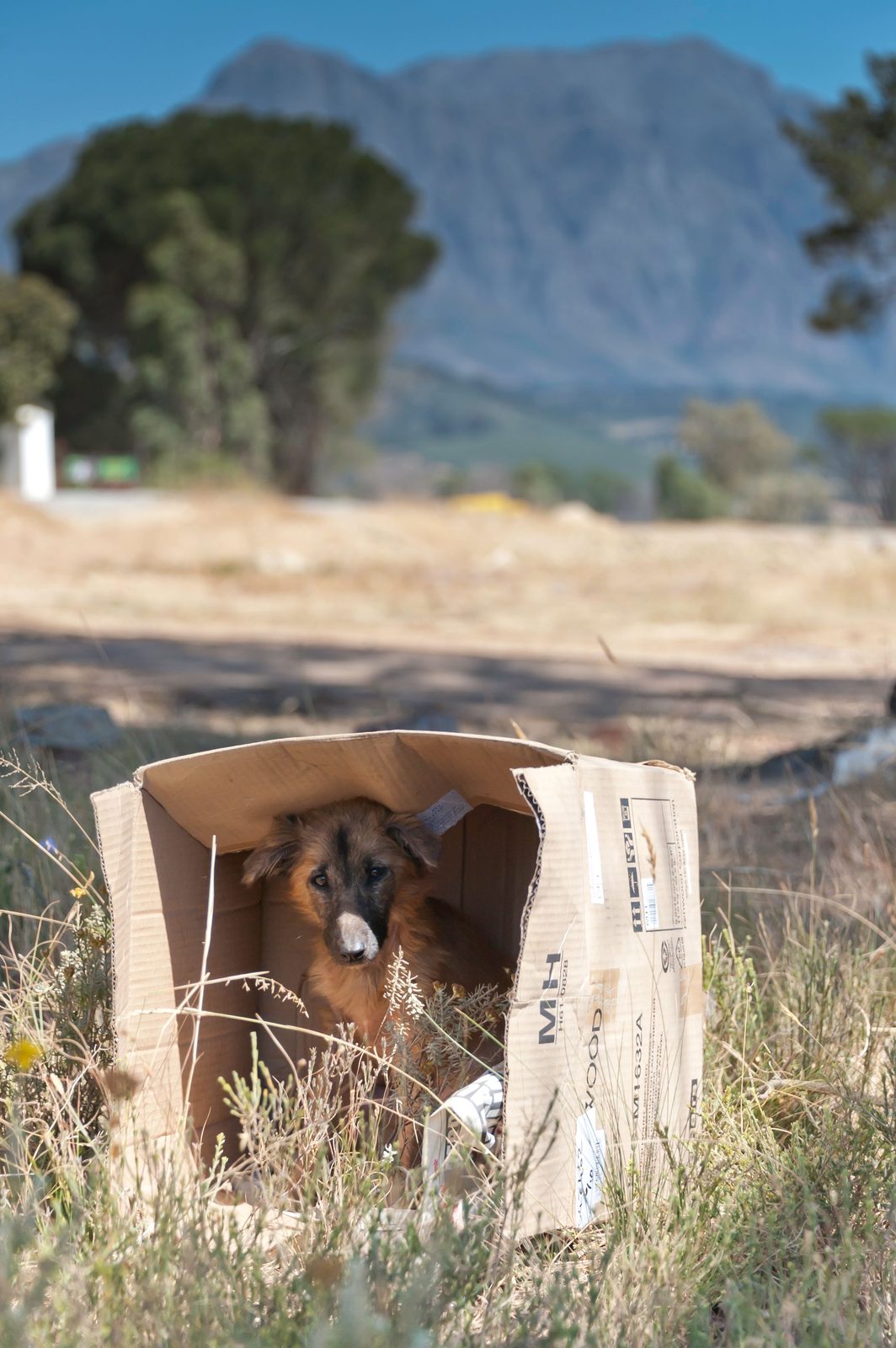
There's a moment in every rescue story when fear turns to trust. It's not dramatic. It's quiet — so quiet you might miss it if you're not paying attention. A dog that flinched at every footstep begins to lean into a hand. A pigeon with a broken wing stops trying to fly away and simply breathes. These moments are the architecture of hope.
Last spring I volunteered at a shelter on the outskirts of Cape Town. The building was modest — concrete floors, wire fences, the kind of place that doesn't look like much from the outside. But the people inside moved with a tenderness that made the space feel like a cathedral.
Three Principles of Animal Rescue
- Patience over speed. Healing cannot be rushed. Every animal moves on its own timeline.
- Consistency builds trust. Showing up day after day, even when progress is invisible.
- Compassion is a practice. It is not a feeling. It is showing up for a creature who cannot say thank you.
Compassion is not a feeling. It is a practice. It is showing up day after day for a creature who cannot say thank you.
The Stories We Carry
One dog arrived with scars that told a story I will never fully know. She was skeletal. Her coat was patchy. She would not make eye contact. The shelter staff named her Grace. For three weeks she hid in the corner of her kennel. Then one morning she took a treat from my hand. By the second month she was trotting beside me on walks, her tail a tentative question mark.
Why Rescue Matters
Rescue work is not about saving every animal. That is impossible. It is about refusing to look away from the ones we can help. Sustainability is not only about recycling and carbon footprints. It is about sustaining the web of life that holds us all.
- Every rescue story is a thread in the web of life.
- Every act of kindness is a stitch that keeps the fabric whole.
- When we heal them, we heal something in ourselves we did not know was broken.